






Dosing and administration

information for ZOLADEX

Actor portrayal. Actor portrayal of a male nurse wearing round-framed glasses, blue scrubs, and a stethoscope around his neck Actor portrayal of a male nurse wearing round-framed glasses, blue scrubs, and a stethoscope around his neck
Curved Edge Curved Edge
Actor portrayal of a nurse in blue scrubs with a stethoscope

Urgent questions about ZOLADEX administration?

Call 1-877-99-NURSE (68773) Monday–Friday, 8 AM to 5:30 PM ET

Messages left after hours will be returned the next business day.

Urgent questions about ZOLADEX administration?

Call 1-877-99-NURSE (68773)

Monday–Friday, 8 AM to 5:30 PM ET

Messages left after hours will be returned the next business day.

Actor portrayal of a nurse in blue scrubs with a stethoscope

1.5+ million doses of ZOLADEX 3.6 mg and ZOLADEX 10.8 mg have been administered1*

*From TerSera launch of ZOLADEX in January 2017 through June 2025.

Purpose-built to provide consistent reliable delivery of ZOLADEX2,3

The ZOLADEX SafeSystem® Syringe features:
  • The ONLY subcutaneous GnRH agonist implant
  • Biodegradable implant is delivered through a triple-beveled, siliconized needle
  • No assembly, mixing, or refrigeration required
  • Each syringe is provided with a convenience pack (contains gauze, alcohol wipe, and bandage)
  • Designed with a protective needle sleeve to reduce needlestick injuries by automatically covering the needle upon withdrawal4

GnRH=gonadotropin-releasing hormone.

ZOLADEX SafeSystem Syringe and convenience pack

ZOLADEX 3.6 mg syringe, implant, and convenience pack – For illustration only.

A study with nurses regarding ZOLADEX administration5,6

In a study with nurses, it took an average of 1.70 minutes to prepare and deliver ZOLADEX 3.6 mg5†

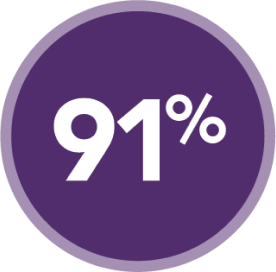
Circle with 91% in the center

91% agreed that it was easy to prepare ZOLADEX prior to administration

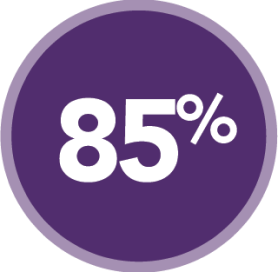
Circle with 85% in the center

85% agreed there were good safety precautions with ZOLADEX

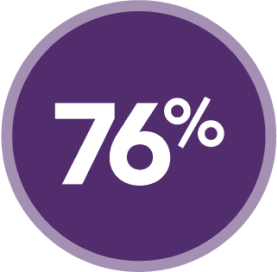
Circle with 76% in the center

76% agreed that the ZOLADEX syringe was easy to manipulate

67% felt confident about using the ZOLADEX syringe

Study design: Randomized crossover study with 82 nurses timed in the administration (preparation and delivery) of the system used to administer ZOLADEX and the system used to administer another GnRH agonist. Preferences and perceptions of the ease of use and relative safety of the two injection systems were also assessed by completing a questionnaire.

Range: 0.5-3.05 min.

GnRH agonist used for comparison was a product marketed only in the UK.

In a study with patients, the majority of patients reported minimal pain (VAS <10 mm) from the ZOLADEX 3.6 mg injection6

There was no significant difference between the pain levels experienced from injections of ZOLADEX compared to another subcutaneous GnRH agonist.6

Visual Analogue Scale with needle pointing between 0 and 10

Study design: A total of 50 patients were blindfolded and administered either ZOLADEX or another GnRH agonist into the anterior abdominal wall. Each group (24 ZOLADEX and 26 other GnRH agonist) received 2 injections 4 weeks apart. Following each injection, patients were asked to record the pain of injection on a visual analogue scale ranging from 0 mm (no discomfort) to 100 mm (maximal discomfort).6

GnRH agonist used for comparison was a product marketed only in the UK.

Watch this helpful video for more information on how to administer ZOLADEX

ZOLADEX administration technique

ZOLADEX SafeSystem® Syringe: Convenient ready-to-use GnRH agonist1,2 No assembly, mixing, or refrigeration required — the siliconized hypodermic needle with easy-glide SafeSystem® Syringe comes ready to administer.
You can also download this helpful guide for your office.

1. Prepare the patient:

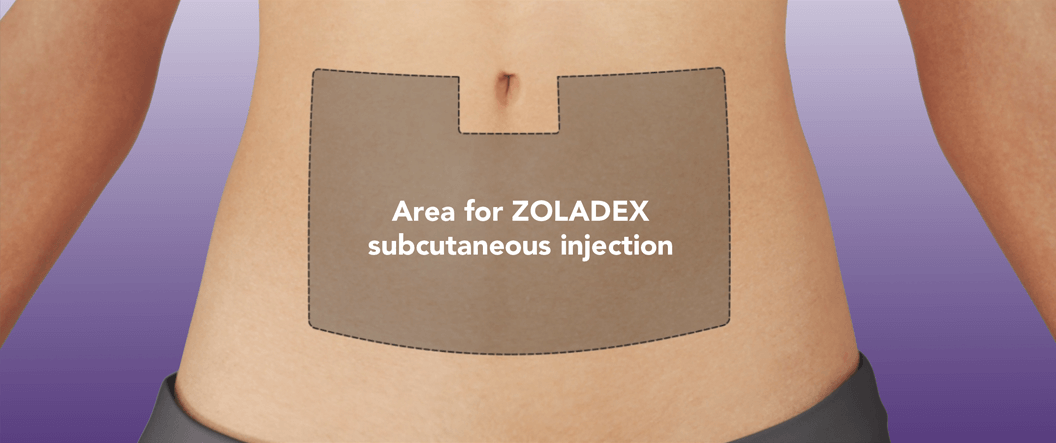
Put the patient in a comfortable position with the upper part of the body slightly raised. Prepare an area of the anterior abdominal wall below and two inches out from the navel line with an alcohol swab.

NOTE: Caution should be taken when injecting ZOLADEX into the anterior abdominal wall due to the proximity of underlying inferior epigastric artery and its branches.

Bare anterior abdominal wall  indicating where syringe should be placed

2. Prepare the injection:

Examine the foil pouch for damage, then open. Empty pouch onto a clean surface rather than pulling the syringe out of the pouch as it is possible to inadvertently pull the plunger off of the syringe.

Examine the syringe for damage, then hold the syringe at a slight angle to the light and confirm at least part of the ZOLADEX implant is visible. There is no need to remove air bubbles, like with liquid injections, and partially depressing the plunger prior to administration may cause the implant to fall from the syringe.

Gently peel the plastic safety tab up and away from the plunger and discard it. Remove the needle cover.

NOTE: If too much force is used when removing the plastic safety tab, the plunger can be pulled off.

3. Complete the injection:

Pinch the patient's skin using aseptic technique at the prepared injection site. With the bevel of the needle facing up, grasp the protective sleeve of the syringe with the pointer finger, middle finger, and thumb.

NOTE: If finger placement is not comfortable, adjust so you have control of the device.

Insert the needle subcutaneously at a 30- to 45-degree angle to the skin in one continuous, deliberate motion until the protective sleeve touches the skin.

NOTE: The ZOLADEX syringe cannot be used for aspiration. If the hypodermic needle penetrates a large vessel, blood will be seen instantly in the syringe chamber. If a vessel is penetrated, withdraw the needle and inject with a new syringe elsewhere. Monitor patients for signs or symptoms of abdominal hemorrhage.

Use extra care when administering ZOLADEX to patients with low BMI and/or patients receiving full dose anticoagulation.

While continuing to pinch the patient's abdomen, move your fingers back to the syringe finger grip and place your thumb on the plunger. Grasping the syringe below the finger grip on the protective sleeve may prevent the protective sleeve from activating.

While grasping the finger grip, depress the plunger until you cannot depress it any further. Use sufficient force to depress the plunger, as a degree of resistance can be experienced.

After fully depressing the plunger, begin withdrawing the needle, and the SafeSystem® Syringe protective sleeve will deploy to cover the syringe. The needle itself does not retract. Dispose of the syringe in an approved sharps collector.

Injection training and resources are available to your team, including:

Actor portrayals of female nurse in blue scrubs with short, dark brown hair and a stethoscope around her neck talking to other male and female medical staff. Actor portrayals.
  • ZOLADEX introduction and administration overview
  • Interactive in-service using ZOLADEX demonstration kits
  • Printed reference materials including ZOLADEX Administration Guide
  • Access to ZOLADEX Administration Video
  • Dedicated contact for future follow-up training or questions
Icon of bar graph with arrow curving upwards

Efficacy and safety

Icon of a key

Access and support

  1. Data on file. TerSera Therapeutics LLC.
  2. ZOLADEX® (goserelin implant) 3.6 mg. Prescribing Information. TerSera Therapeutics LLC.
  3. ZOLADEX® (goserelin implant) 10.8 mg. Prescribing Information. TerSera Therapeutics LLC.
  4. Moser MA. Engineering out needle stick injuries (safety devices). The Safe Angle. Summer 2004;5-7.
  5. Morgan G, Cooley C. Injection systems for two luteinising hormone-releasing hormone agonists: a comparative assessment of administration times and nurses' perceptions. Eur J Oncol Nurs. 2005;9:334-340.
  6. Montgomery BS, Borwell JP, Higgins DM. Does needle size matter? Patient experience of luteinising hormone-releasing hormone analogue injection. Prostate Cancer Prostatic Dis. 2005;8:66-68.

IMPORTANT SAFETY INFORMATION

GENERAL

Systemic hypersensitivity, antibody formation, and acute anaphylactic reactions have been reported in patients receiving ZOLADEX. ZOLADEX is contraindicated in patients with known hypersensitivity to GnRH, GnRH agonist, or any of the components in ZOLADEX.

Tumor Flare Phenomenon: Transient worsening of tumor symptoms may occur in the first few weeks of therapy in patients being treated for cancer. Monitor patients at risk for complications of tumor flare including ureteral obstruction, spinal cord compression, and increased bone pain.

Hypercalcemia has been reported in patients with bone metastases treated with ZOLADEX. Monitor and manage appropriately.

ZOLADEX can cause severe cutaneous adverse reactions (SCARs), including Stevens-Johnson syndrome/toxic epidermal necrolysis (SJS/TEN), drug reaction with eosinophilia and systemic symptoms (DRESS), and acute generalized exanthematous pustulosis (AGEP). SCARs, including SJS/TEN, DRESS, and AGEP, occurred in patients receiving ZOLADEX or other GnRH agonists, including cases with visceral involvement and/or requiring skin grafts. Monitor patients for the development of SCARs. If a SCAR is suspected, interrupt ZOLADEX until the etiology of the reaction has been determined. Consultation with a dermatologist is recommended. If a SCAR is confirmed, or for other grade 4 skin reactions, permanently discontinue ZOLADEX.

Injection site injury and vascular injury have been reported with ZOLADEX. Extra care should be taken when administering ZOLADEX to patients with low BMI and/or to patients receiving full dose anticoagulation.

FEMALES

ZOLADEX is contraindicated during pregnancy unless used for palliative treatment of advanced breast cancer. If used during pregnancy, the patient should be advised of the potential hazard to the fetus. Otherwise, pregnancy must be excluded and effective nonhormonal contraception must be used by all premenopausal women during ZOLADEX therapy and for 12 weeks following discontinuation of therapy.

ZOLADEX may cause an increase in cervical resistance. Therefore, caution is recommended when dilating the cervix for endometrial ablation.

Depression may occur or worsen in women receiving GnRH agonists, including ZOLADEX. Monitor and manage appropriately.

MALES

Hyperglycemia and an increased risk of developing diabetes have been reported in men receiving GnRH agonists. Monitor blood glucose levels and manage according to current clinical practice.

Increased risk of myocardial infarction, sudden cardiac death and stroke has been reported in association with use of GnRH agonists in men. Patients should be monitored for cardiovascular disease and be managed according to current clinical practice.

Androgen deprivation therapy may prolong the QT interval. Consider risks and benefits.

ADVERSE REACTIONS

In men, the most common adverse reactions (>10%) include hot flashes, sexual dysfunction, decreased erections and lower urinary tract symptoms.

In women, the most common adverse reactions (>20%) include hot flashes, vaginitis, headache, emotional lability, decreased libido, sweating, depression, acne, breast atrophy, seborrhea, and peripheral edema.

To report SUSPECTED ADVERSE REACTIONS, contact the FDA at 1‑800‑FDA‑1088 or www.FDA.gov/medwatch. You may also contact TerSera Therapeutics at 1‑844‑334‑4035 or medicalinformation@tersera.com.

Please see accompanying Full Prescribing Information for ZOLADEX 3.6 mg and ZOLADEX 10.8 mg.

INDICATIONS

ZOLADEX (goserelin implant) is a Gonadotropin Releasing Hormone (GnRH) agonist.

ZOLADEX 3.6 mg is indicated for:

  • Use in the palliative treatment of advanced breast cancer in pre- and perimenopausal women
  • The management of endometriosis
  • Use as an endometrial-thinning agent prior to endometrial ablation for dysfunctional uterine bleeding

ZOLADEX 3.6 mg and ZOLADEX 10.8 mg are indicated for:

  • Use in combination with flutamide for the management of locally confined carcinoma of the prostate
  • Palliative treatment of advanced carcinoma of the prostate

IMPORTANT SAFETY INFORMATION

GENERAL

Systemic hypersensitivity, antibody formation, and acute anaphylactic reactions have been reported in patients receiving ZOLADEX. ZOLADEX is contraindicated in patients with known hypersensitivity to GnRH, GnRH agonist, or any of the components in ZOLADEX.

Tumor Flare Phenomenon: Transient worsening of tumor symptoms may occur in the first few weeks of therapy in patients being treated for cancer. Monitor patients at risk for complications of tumor flare including ureteral obstruction, spinal cord compression, and increased bone pain.

Hypercalcemia has been reported in patients with bone metastases treated with ZOLADEX. Monitor and manage appropriately.

ZOLADEX can cause severe cutaneous adverse reactions (SCARs), including Stevens-Johnson syndrome/toxic epidermal necrolysis (SJS/TEN), drug reaction with eosinophilia and systemic symptoms (DRESS), and acute generalized exanthematous pustulosis (AGEP). SCARs, including SJS/TEN, DRESS, and AGEP, occurred in patients receiving ZOLADEX or other GnRH agonists, including cases with visceral involvement and/or requiring skin grafts. Monitor patients for the development of SCARs. If a SCAR is suspected, interrupt ZOLADEX until the etiology of the reaction has been determined. Consultation with a dermatologist is recommended. If a SCAR is confirmed, or for other grade 4 skin reactions, permanently discontinue ZOLADEX.

Injection site injury and vascular injury have been reported with ZOLADEX. Extra care should be taken when administering ZOLADEX to patients with low BMI and/or to patients receiving full dose anticoagulation.

FEMALES

ZOLADEX is contraindicated during pregnancy unless used for palliative treatment of advanced breast cancer. If used during pregnancy, the patient should be advised of the potential hazard to the fetus. Otherwise, pregnancy must be excluded and effective nonhormonal contraception must be used by all premenopausal women during ZOLADEX therapy and for 12 weeks following discontinuation of therapy.

ZOLADEX may cause an increase in cervical resistance. Therefore, caution is recommended when dilating the cervix for endometrial ablation.

Depression may occur or worsen in women receiving GnRH agonists, including ZOLADEX. Monitor and manage appropriately.

MALES

Hyperglycemia and an increased risk of developing diabetes have been reported in men receiving GnRH agonists. Monitor blood glucose levels and manage according to current clinical practice.

Increased risk of myocardial infarction, sudden cardiac death and stroke has been reported in association with use of GnRH agonists in men. Patients should be monitored for cardiovascular disease and be managed according to current clinical practice.

Androgen deprivation therapy may prolong the QT interval. Consider risks and benefits.

ADVERSE REACTIONS

In men, the most common adverse reactions (>10%) include hot flashes, sexual dysfunction, decreased erections and lower urinary tract symptoms.

In women, the most common adverse reactions (>20%) include hot flashes, vaginitis, headache, emotional lability, decreased libido, sweating, depression, acne, breast atrophy, seborrhea, and peripheral edema.

To report SUSPECTED ADVERSE REACTIONS, contact the FDA at 1‑800‑FDA‑1088 or www.FDA.gov/medwatch. You may also contact TerSera Therapeutics at 1‑844‑334‑4035 or medicalinformation@tersera.com.

Please see accompanying Full Prescribing Information for ZOLADEX 3.6 mg and ZOLADEX 10.8 mg.

INDICATIONS

ZOLADEX (goserelin implant) is a Gonadotropin Releasing Hormone (GnRH) agonist.

ZOLADEX 3.6 mg is indicated for:

  • Use in the palliative treatment of advanced breast cancer in pre- and perimenopausal women
  • The management of endometriosis
  • Use as an endometrial-thinning agent prior to endometrial ablation for dysfunctional uterine bleeding

ZOLADEX 3.6 mg and ZOLADEX 10.8 mg are indicated for:

  • Use in combination with flutamide for the management of locally confined carcinoma of the prostate
  • Palliative treatment of advanced carcinoma of the prostate